The Ultimate Guide to Efficient Dumpster Loading
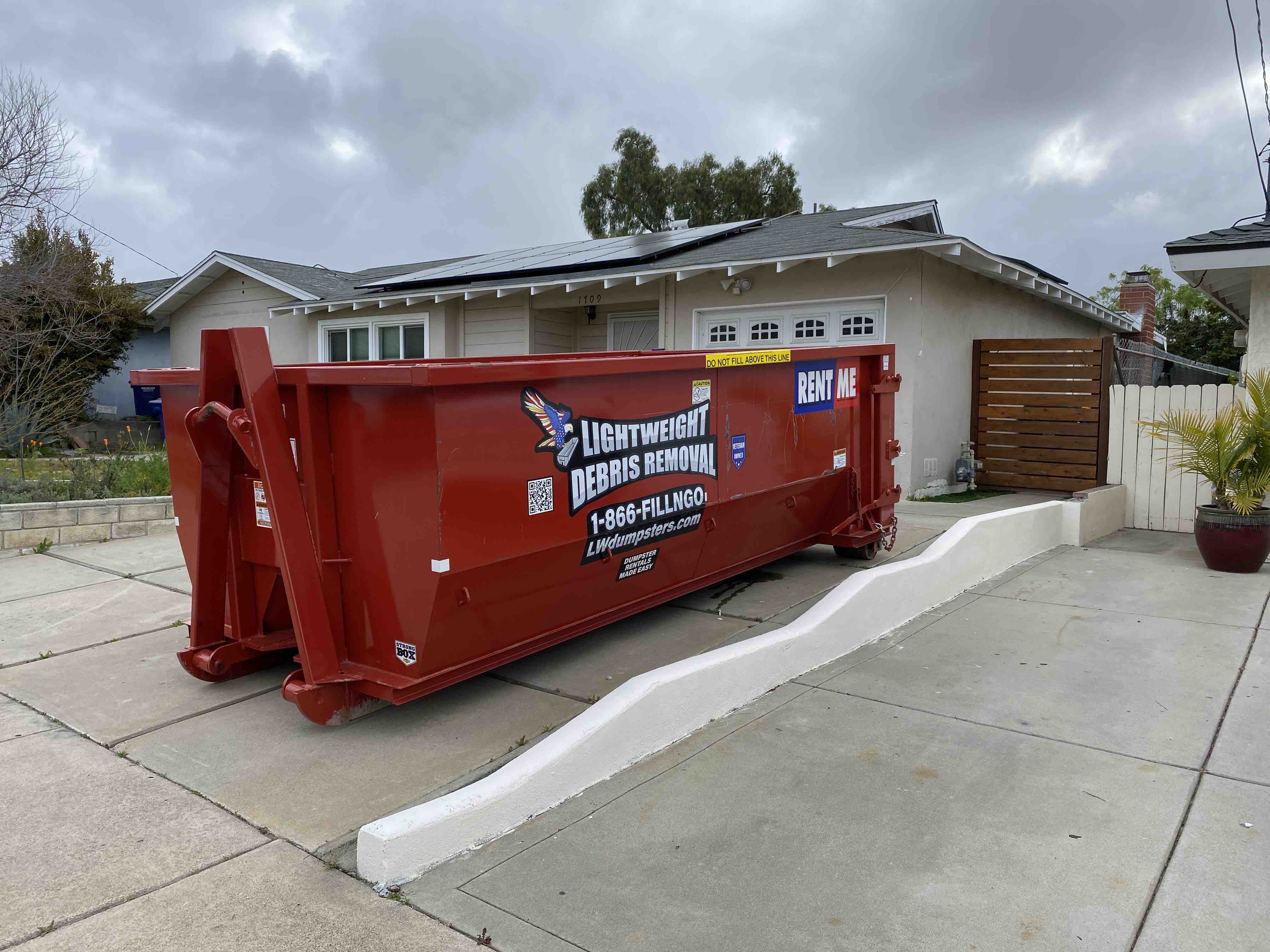
If you're managing a construction, renovation, or decluttering job, loading a dumpster might appear simple. However, how materials are arranged can greatly influence space efficiency, safety, and speed. Most people don’t realize how much strategy goes into correct dumpster loading, which can cause space loss, safety hazards, and unnecessary project delays.
At Lightweight Debris Removal, we stress the importance of loading a dumpster correctly just as much as selecting the proper size. Taking an organized approach maximizes container use while ensuring a secure and efficient workspace. Our aim is to help customers gain the most from their rentals by promoting smart loading practices that cut clutter, prevent harm, and make cleanup more efficient.
Organizing Before You Begin Loading
Before filling the dumpster, taking time to organize is essential. Identify what materials you’ll dispose of and check if any can be recycled, reused, or need special handling. Sorting ahead of time promotes a smooth workflow and limits the need for reorganization later. It also makes handling safer by isolating hazardous or sharp materials.
Mapping out the order of loading matters just as much. Place heavier or bulkier items first to form a solid base. Then add lighter or smaller debris to fill remaining gaps. Smart preparation reduces the risk of load shifting or tipping during pickup. Such preparation ensures smoother operations and safer conditions overall.
Maximizing Dumpster Space
Getting the most out of your dumpster starts with space efficiency. Large or bulky debris should be dismantled to conserve room. Crushing or flattening materials helps create more usable space. Doing so enables more debris to fit while keeping the load balanced and organized.
You can also use a layering technique for smarter space allocation. Start with flat, dense materials on the bottom for support. Then alternate with lighter items to fill gaps efficiently. Keep the load within the dumpster’s limits to ensure safe transport. website Layering effectively ensures a neater, safer, and more productive loading experience.
Safety Best Practices for Dumpster Loading
Safety should be at the forefront during every loading task. Protect yourself with gloves, proper footwear, and durable clothing to avoid harm. Make sure your workspace is clear of debris or uneven ground before lifting. Staying alert around the dumpster keeps the process safe and organized.
Refrain from throwing objects into the dumpster carelessly, since this could result in shifting, accidents, or property harm. Instead, place objects deliberately and with control. Seek help when lifting oversized objects to prevent strain or accidents. By practicing caution, you maintain both productivity and protection on-site.
Organizing and Managing Waste Materials Effectively
Sorting materials before and during dumpster loading is one of the best ways to maintain order. Group similar items like metal, wood, or household waste together. This practice makes loading and unloading smoother while simplifying disposal later. This organization helps identify recyclables and promotes environmentally conscious waste handling.
A tidy system helps you avoid reshuffling materials after they’re loaded. Place lightweight materials such as cardboard or fabric on top, while heavy objects go below. This method prevents wind from scattering light materials and keeps the dumpster balanced. Consistent organization results in a faster, safer, and more productive cleanup process overall.
Preventing Property Damage During Dumpster Placement
Though dumpsters are designed for strength, the ground beneath them may not be. Placing wooden planks or similar barriers underneath distributes weight and prevents surface damage. This easy precaution helps maintain the integrity of your property during the project.
Placement also plays a crucial role in preventing property damage. Pick a steady surface that provides safe loading and unobstructed access. Avoid positioning the dumpster too close to structures or landscaping features that could be damaged. By combining smart placement with surface protection, you create a safer and cleaner workspace.
Boosting Productivity on Large-Scale Cleanups
Big projects tend to generate constant debris that needs proper management. Creating a staging area where waste is sorted before reaching the dumpster can streamline loading. Doing this ensures the container fills evenly and prevents the need for re-sorting.
Teamwork and clear communication are essential to efficient operations. Divide responsibilities among your team to maintain consistent progress. When everyone knows their tasks, the process runs faster and stays organized. Effective preparation and teamwork are key to timely, complication-free completion.
What You Should Avoid Loading Into a Dumpster
Not all waste materials belong in a standard dumpster, and knowing what’s restricted is vital. Hazardous chemicals, paints, and specific electronics must be disposed of through proper channels. Placing these inside a dumpster may cause environmental harm or disposal complications. Always confirm what’s allowed before starting to load your dumpster.
Avoid exceeding the dumpster’s weight or fill limit to prevent safety risks. Overflowing containers lead to instability and may require extra handling. By following proper load limits, you support responsible waste management. Keeping within restrictions prevents delays and complications at pickup time.
Working with a Trusted Dumpster Service
Partnering with a trustworthy service improves your overall project results. Lightweight Debris Removal offers expert dumpster rental services designed for both homeowners and contractors. From drop-off to collection, our team ensures a seamless and worry-free rental experience.
Selecting a customer-focused company enhances your rental experience. Prompt support, transparency, and reliability help maintain project flow. Lightweight Debris Removal is devoted to helping clients achieve organized, secure, and efficient results through expert guidance and responsible use.
Creating an Organized and Productive Worksite
The way you load your dumpster can significantly affect project performance. A clean, well-kept work area enables smooth task flow and better teamwork. With smart loading strategies, cleanup becomes an effortless part of the workflow.
Lightweight Debris Removal encourages clients to see dumpster use as more than just disposal. It provides an opportunity to improve safety, efficiency, and environmental care. By planning ahead and working smartly, you can make waste removal a seamless part of every project.